
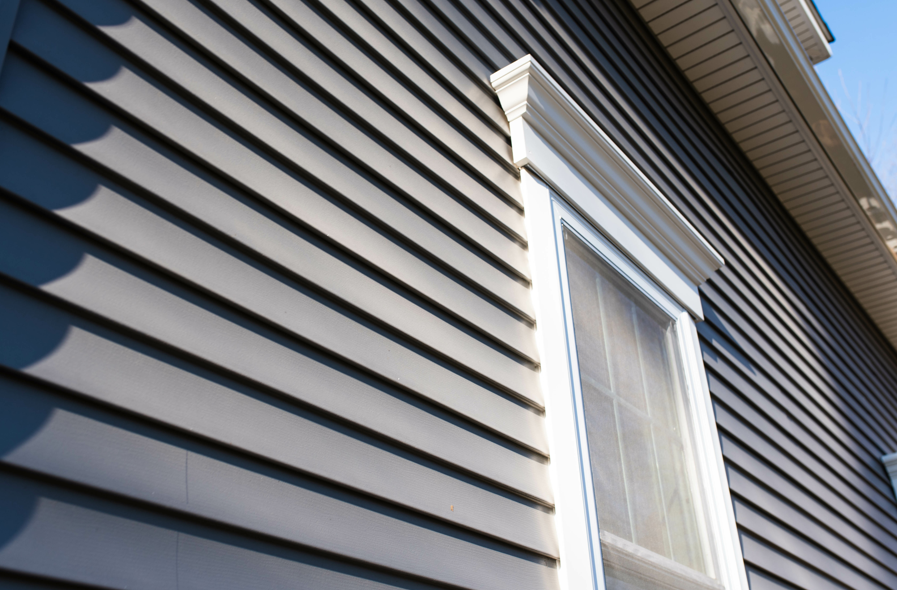
Siding does more than protect a home from rain, wind, and changing temperatures. When properly installed, it can also contribute to better energy efficiency by helping create a more effective exterior envelope with help of James hardie siding near me.
The siding itself is not usually the primary source of insulation. However, professional installation can help reduce air leakage and protect the insulation and moisture-control layers beneath it. A qualified siding contractor will typically inspect the wall assembly, address damaged areas, and make sure the siding, flashing, trim, and openings around windows and doors are properly integrated.
The choice of siding system can also affect performance. Fiber cement, vinyl, engineered wood, and other materials can be combined with appropriate insulation depending on the home’s construction and climate. Insulated siding, for example, may add another layer of thermal protection and help reduce heat transfer through exterior walls.
Proper installation is just as important as the material itself. Gaps, poorly sealed joints, incorrect flashing, or improperly installed panels can allow moisture and air to penetrate the wall assembly. Over time, this can contribute to drafts, moisture problems, and deterioration of underlying materials.
For homeowners considering siding replacement, it is worth looking beyond color and appearance. A properly designed and installed siding system can help protect the building envelope, improve comfort, and support the home’s overall energy performance.
- By: admin
- Category: Uncategorized
- 0 comment

Leave a Reply